BLOG POST #3
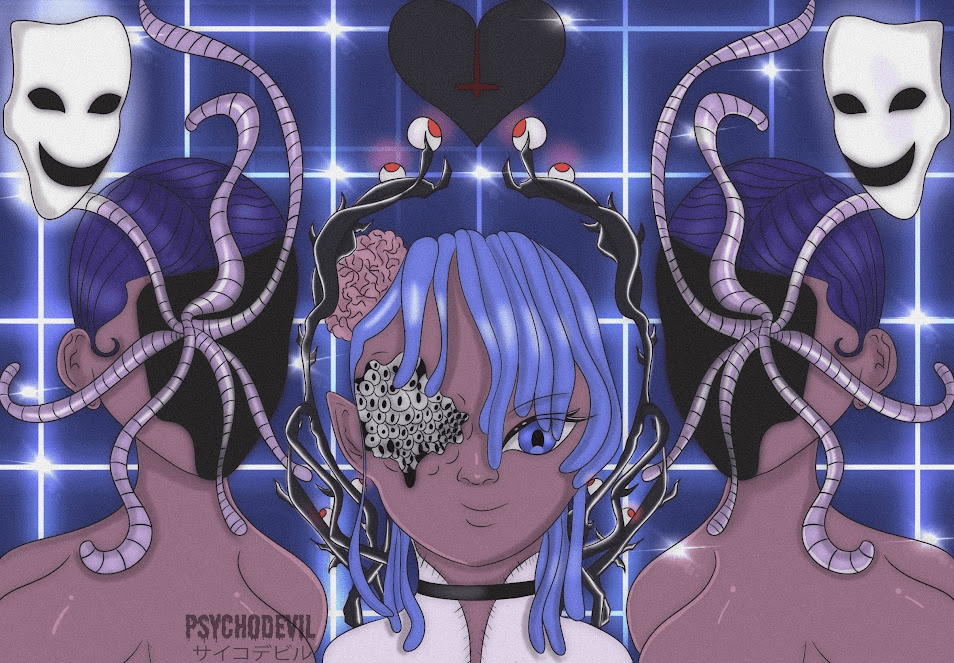
I didn’t set out to create something “palatable.” My art lives in the uncomfortable space—the place where cute and grotesque collide and refuse to separate. I’m a Black digital artist who’s been drawing since I was 17, but my connection to darker aesthetics started earlier, around 15, when I fell into the shadowy side of kawaii culture. What drew me in wasn’t just the look—it was the contradiction. Softness paired with violence. Innocence stitched together with something much more unsettling. That contrast stuck with me, and over time, it evolved into what I create now: guro-inspired digital illustrations that lean hard into body horror, emotion, and storytelling. At first, my work was an outlet. College was overwhelming, and I needed somewhere to put the anger, the stress, the things I couldn’t easily explain.
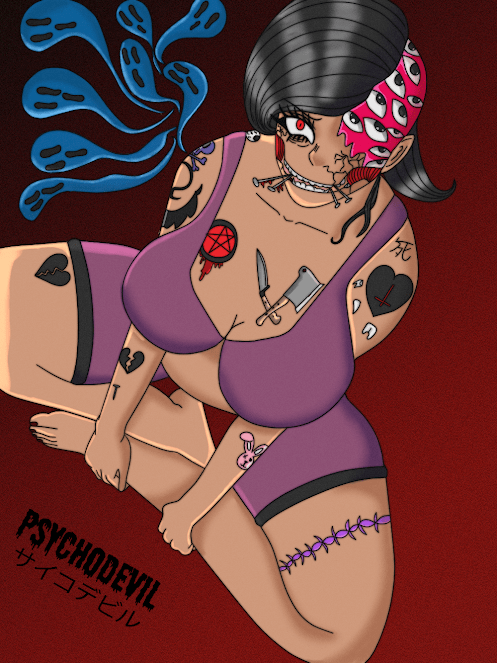
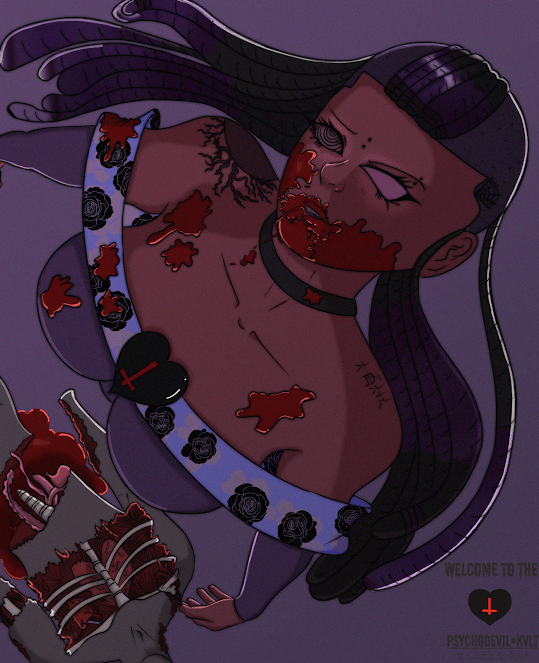
Drawing became that place. But what started as a coping mechanism grew into something bigger—a whole world populated by characters who carry their own pain, their own chaos, their own stories. Akuji is one of them. At a glance, she looks harmless—almost sweet—but that illusion doesn’t last. She’s undead, driven by hunger and instinct, and she won’t hesitate to tear into anything that crosses her path. Then there’s Ayami, an executioner who doesn’t just seek answers—she extracts them. Her methods are rooted in history, pulling from real-world torture techniques that make her as terrifying as she is precise. And above them all is the Leader. She’s harder to define, more fragmented. Her body tells a story before she even speaks—stitched, uneven, almost like she’s been pieced together from different versions of her
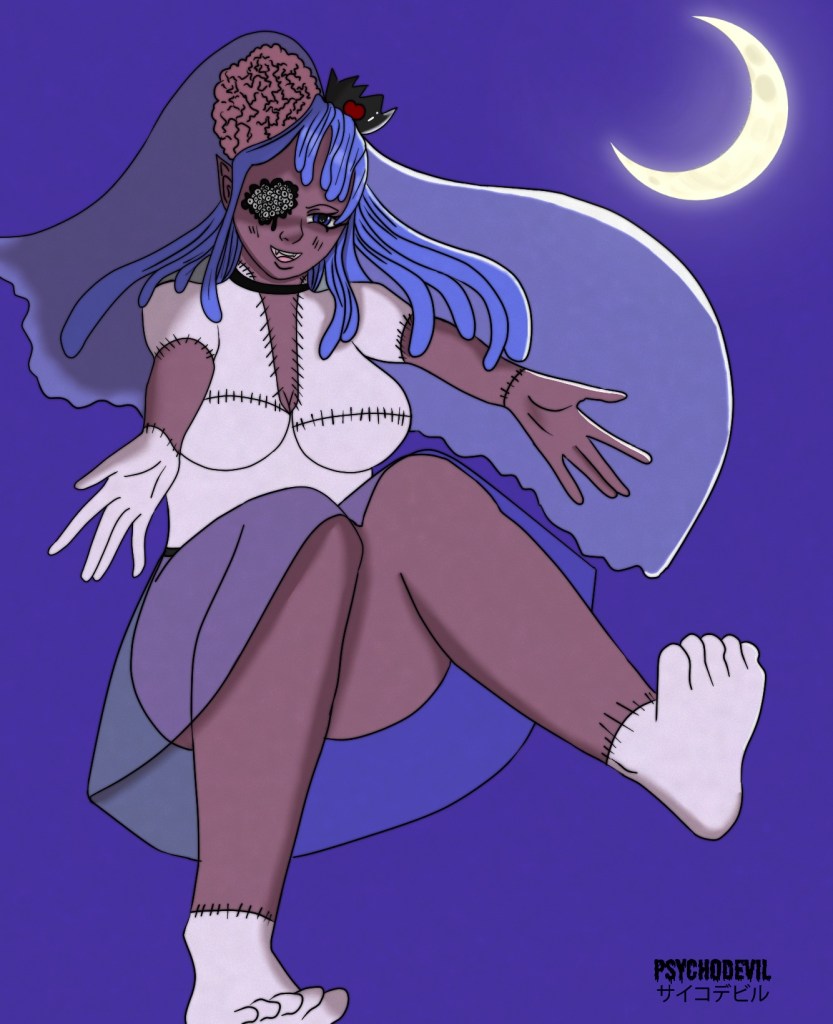
There’s something deeply wrong there, but also something intentional. She isn’t just a character; she feels like a mystery you’re not meant to solve fully. Even within all the gore and horror, I don’t want my work to feel one-note. If someone isn’t drawn to the intensity of pieces like those, there are other entry points into my world. Stories like Sin Girls, Dead Ball, On the Other Side, and Bloody Sisters offer distinct tones and perspectives while remaining rooted in the same universe. Everything connects, even if it doesn’t look like it at first. Visually, my style pulls from a mix of influences: erotic grotesque, yami-kawaii, guro-kawaii, and anime. I lean heavily into certain motifs—eyes, stitches, monster girls, heavy shadows, and, of course, blood. Some pieces drift into noir territory, others into something more surreal, but they all carry that same underlying tension.
I know this kind of art isn’t for everyone. It’s not supposed to be. But for the people who get it—the ones who see beauty in distortion, or truth in something unsettling—it resonates in a way that’s hard to explain. At the end of the day, this isn’t just about shock value. It’s about expression. Every piece, no matter how extreme, comes from somewhere real. And if it makes you feel something—even discomfort—then it’s doing exactly what it was meant to do.
 Psychodevil Kvlt
Leave a comment