TW// suicide, grooming, abuse, Harassment,etc.
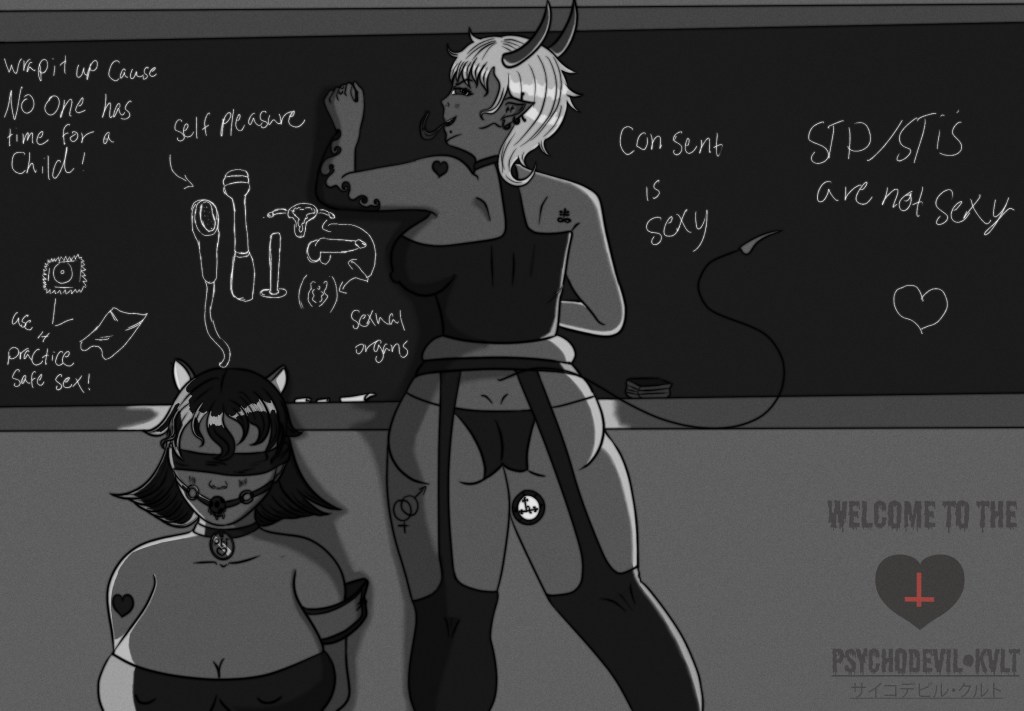
A lot of people online treat adult art spaces like they are just another fandom community, but there is a real reason many of these spaces are marked 18+ or 21+. Those boundaries are not only about legality. They also exist because younger people are still emotionally developing, and exposure to intense adult content can seriously affect them in ways they may not fully understand yet.
Adult art spaces often contain themes involving sexuality, graphic violence, self-harm, abuse, exploitation, addiction, or other taboo subjects. Even when the artwork is fictional, the emotional impact can still feel very real. Teenagers and younger audiences are generally more vulnerable to absorbing harmful messages, normalizing dangerous behavior, or becoming emotionally overwhelmed by material they are not prepared to process. A minor may think they are “mature enough” to handle it, but maturity is not the same thing as having the emotional tools to safely engage with disturbing content.
There is also the issue of trauma. Many minors who enter adult spaces end up encountering grooming, manipulation, harassment, or pressure from older users. Internet communities centered around explicit or disturbing art can sometimes blur boundaries between fiction and real-life behavior. Young people may feel pressured to participate in conversations, roleplay, or sharing habits that make them uncomfortable just to fit in. Later, many realize those experiences left lasting emotional damage, anxiety, shame, or confusion about relationships and personal boundaries.
The legal side matters too. In many countries, adults can face severe legal consequences if minors are allowed into explicit communities or are exposed to sexual content involving adults. Even when nobody intended harm, laws surrounding explicit material and minors are extremely strict. This is one reason responsible creators place age restrictions on their work and remove underage users from adult communities. Protecting minors is not censorship; it is a safety measure.
Another important point is that adult art spaces are often designed for people who intentionally want to explore difficult themes from an adult perspective. Discussions around trauma, sexuality, abuse, or self-destructive behavior can become emotionally intense very quickly. Younger users may not yet have the coping skills or life experience needed to separate critical artistic exploration from harmful romanticization.
Age restrictions are not meant to insult younger audiences. They exist because boundaries matter. Protecting minors from adult environments helps reduce emotional harm, legal risks, and situations where vulnerable young people are exposed to experiences they are not ready to navigate safely.
 Psychodevil Kvlt
Leave a comment